Eating With the Calendar: A Simple Guide to Seasonal Produce
Shopping with the seasons can add variety to your plate and make cooking feel fresh. This entry shows how to notice what's at its best and build a meal around it.
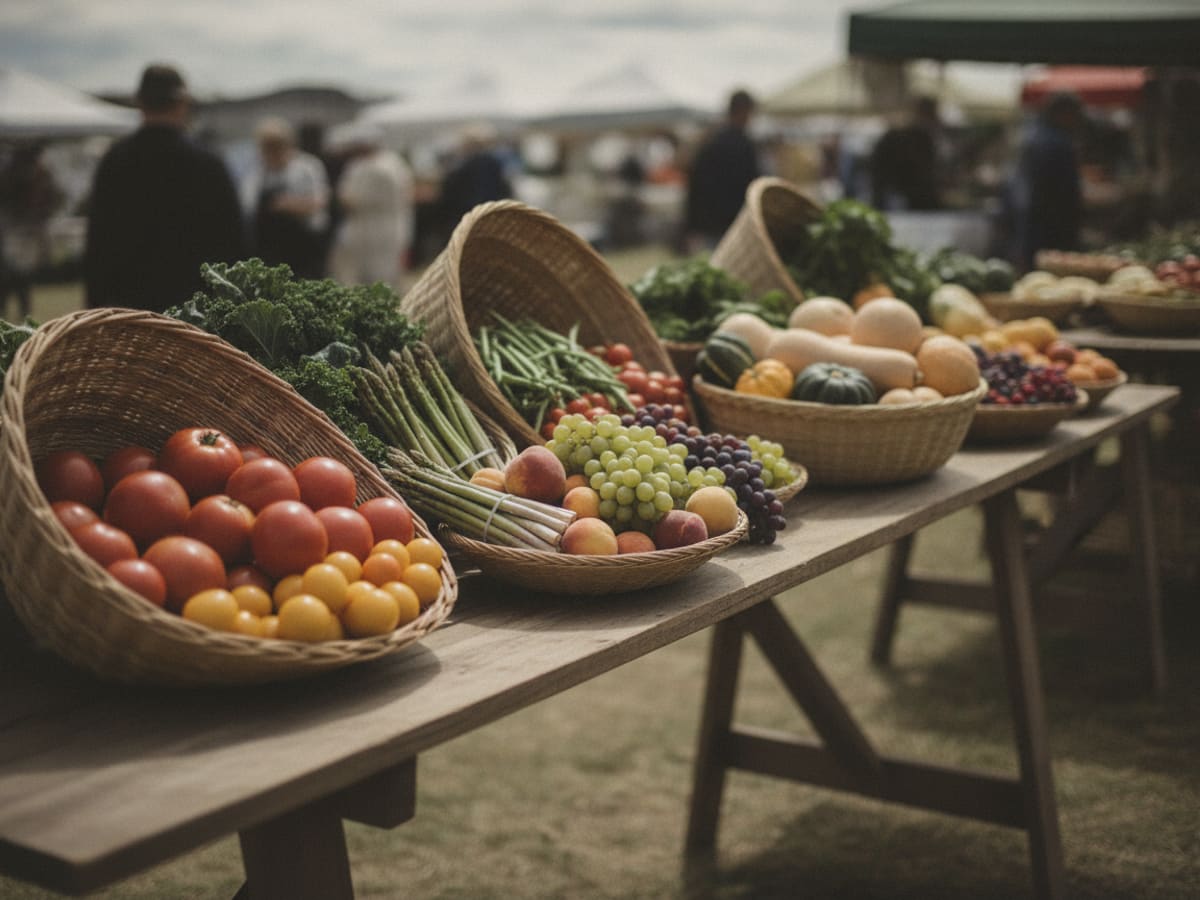
If you've ever bitten into a pale winter tomato and then a sun-warm one in August, you already know that season can change how produce tastes. But "eat seasonally" can sound like one more rule to keep track of. It doesn't have to be. Here's a relaxed way to figure out what's good right now, and why it's worth a little attention.
What 'in season' really means
Produce is in season when it's harvested at its natural peak in your region. A strawberry picked ripe from a nearby field in late spring is in season. A strawberry shipped a long way in January is available, but it was likely picked early so it could survive the trip.
Seasons also vary by place. Peaches arrive at different times in Georgia, Michigan, and California, and what's local in Maine in April may be long gone in Texas. So a universal calendar is only a starting point.
Does it matter? Not in a strict, health-rule way. Fruits and vegetables are worth eating in any form. But seasonal produce often has better flavor and texture, tends to be more plentiful, and gives your meals a natural rhythm so you're not eating the same five vegetables all year.
A few easy ways to tell what's in season near you:
- Visit a farmers market and notice what fills the tables. Abundance is a good clue.
- Look at the origin labels in the grocery store. Produce from nearby is more likely to be in its local season.
- Ask the produce staff what just came in or what's tasting best this week.
- Notice what looks bright, firm, and fragrant. Ripe, in-season produce usually smells like itself.
- Check your state's agriculture department or local extension office, which often posts regional harvest calendars.
Spring and summer on the plate
Spring is tender and green. Think asparagus, peas, radishes, spinach, lettuces, and fresh herbs. These foods do best with a light touch: a quick sauté, a brief steam, or eaten raw in a salad. Strawberries tend to show up toward the end of spring.
Summer is when the garden gets generous. Tomatoes, cucumbers, zucchini, corn, green beans, peppers, berries, melons, and stone fruits like peaches and plums all come into their own. Many of these need very little help. A sliced tomato with olive oil and salt, grilled zucchini, or a bowl of berries is a complete idea.
If you want to try more seasonal eating this time of year, start small:
- Pick one new spring or summer vegetable each week.
- Eat the most delicate items first, like berries and tender greens, since they spoil quickly.
- Cook outside the usual routine. A grill or a no-cook salad keeps the kitchen cool.
Autumn and winter staples
As the weather cools, produce gets sturdier. Autumn brings apples, pears, winter squash, sweet potatoes, broccoli, cauliflower, Brussels sprouts, and beets. Winter keeps many of these going and adds cabbage, kale, carrots, parsnips, turnips, and citrus fruits.
These foods suit slower cooking. Roasting brings out sweetness in root vegetables and squash. Soups, stews, and braises make good use of hardy greens and cabbage. Many of these items also store well, so you can buy a bit extra and keep it for a week or two in a cool spot or the refrigerator.
If winter produce feels repetitive, change the method rather than the vegetable. Carrots can be roasted, shredded raw into a slaw, simmered in soup, or mashed with other roots. A new seasoning can make a familiar food feel different.
Frozen and canned as seasonal backups
Eating with the calendar doesn't mean going without. Frozen and canned produce can fill the gaps, especially in the colder months or when fresh options look tired.
Frozen fruits and vegetables are usually picked and frozen soon after harvest, which makes them a handy way to enjoy something like summer berries or spring peas in the middle of winter. Canned tomatoes, beans, and pumpkin are pantry workhorses for soups and sauces.
A couple of habits help:
- Read the ingredient list. Look for items without a lot of added salt, sugar, or sauces, or rinse canned beans and vegetables before using.
- Keep a few staples on hand, like frozen spinach, peas, or mixed berries, so a good meal is always possible.
One simple meal built from what's good now
A frittata is a forgiving meal that changes easily with the seasons. The method stays the same while the vegetables rotate.
- Choose about two cups of chopped vegetables that are good now: asparagus and spinach in spring, zucchini and tomatoes in summer, kale and roasted squash in autumn, or cabbage and leeks in winter.
- Warm a little oil in an oven-safe skillet over medium heat and cook the veget